
The days when teams have to be confined to the same city or continent are over. Modern teams can now work together on the same project regardless of where they might be, with designers in Europe, developers in North America, and managers in Asia all contributing seamlessly. That is the kind of flexibility we have in most workplaces today.
However, this has also brought communication challenges. Progress seems to slow down when work depends solely on instant replies. But with delayed interaction, teams can now collaborate without having to be online at the same time.
Why Delayed-Interaction Tools Matter for Distributed Teams
Delayed interaction, also known as asynchronous communication, gives team members the ability to return to messages and updates even when they are not available to view them at that moment. This approach is especially effective for teams that are not confined to the same time zone.
Without delayed-interaction tools, teams would always rely on meetings and live chats, which often means long waits for responses and disrupted personal schedules. Delayed interaction helps bridge that gap. It lets people work during their most productive hours while keeping everyone informed. Instead of asking, “Who’s online right now?”, teams can always focus on “What’s the next step?”
Why Low-Pressure Engagement Improves Team Participation
Delayed-interaction tools succeed because they align with how people prefer to engage digitally. When users feel pressured to respond instantly, participation quality drops. When team members are able to participate on their own terms, the quality of their contributions improves.
This behavior extends beyond work tools. In the online gambling space, for example, incentives and offers such as no-deposit casino bonuses attract users by lowering the barrier to participation. Casino players in Germany can find these kinds of offers via resources like https://bonushafen.de/casino-bonus/bonus-spin-samurai-casino/. Experts from Spielen-Slots thoroughly select the best no-deposit bonuses from different brands, allowing users to compare them.
Ultimately, people tend to explore an experience more when it doesn’t require immediate commitment. They prefer work tools that allow them to decide at their own pace and engage more thoughtfully. That’s the same way asynchronous work. When team members know that they can absorb information, think, and respond later, communication becomes clearer and more meaningful.
Top 3 Delayed-Interaction Apps That Support Global Productivity
Not every collaboration app works well asynchronously. Some are built around real-time messaging and can quickly become messy when teams don’t share schedules. Let’s take a look at some apps that stand out from others when it comes to clarity, context, and continuity across time zones.
1. Slack
Many people have always assumed Slack is only a real-time chat tool. However, it functions equally effectively as a delayed-interaction platform when used correctly.
It has channels that act as shared spaces, where updates remain accessible long after they’re posted. The threads keep discussions focused, making it easy for someone logging in hours later to follow a full conversation without having to guess the context.
Slack’s strength lies in its flexibility. Teams can leave detailed updates, tag relevant teammates, and allow responses to come later. When teams stop using Slack merely as an instant messaging app, it becomes a powerful asynchronous communication hub.
2. Asana
Asana is another delayed-interaction app worth talking about. The app approaches delayed interaction from a task-first perspective. Instead of outrightly focusing on conversations, Asana lets you concentrate on the work first.
Each task in Asana comes with a clear owner, context, and deadline. You can leave comments directly on each task, making it very easy for teammates in different time zones to quickly catch what’s happening, even when not present when the comment was passed.
This structure is particularly effective for complex projects. It means someone can log in and won’t need to ask what’s changed overnight. The system will help them get all the information they need. That level of clarity is essential for teams that rarely work at the same time.
3. Twist
If you dislike back and forth when your team is handling a project, you will love the idea of Twist. The app was built with asynchronous communication as its core principle. It promotes thoughtful, thread-based discussions instead of the constant repetition of essential information, which is common in traditional chat apps.
Every topic comes with its own thread, making it easy to read conversations in full even if you join hours or days later. Notifications are intentionally quieter, so there is no pressure to respond instantly.
For teams that value focus and depth, Twist offers an environment where delayed interaction feels natural rather than forced.
What These Apps Get Right About Asynchronous Collaboration
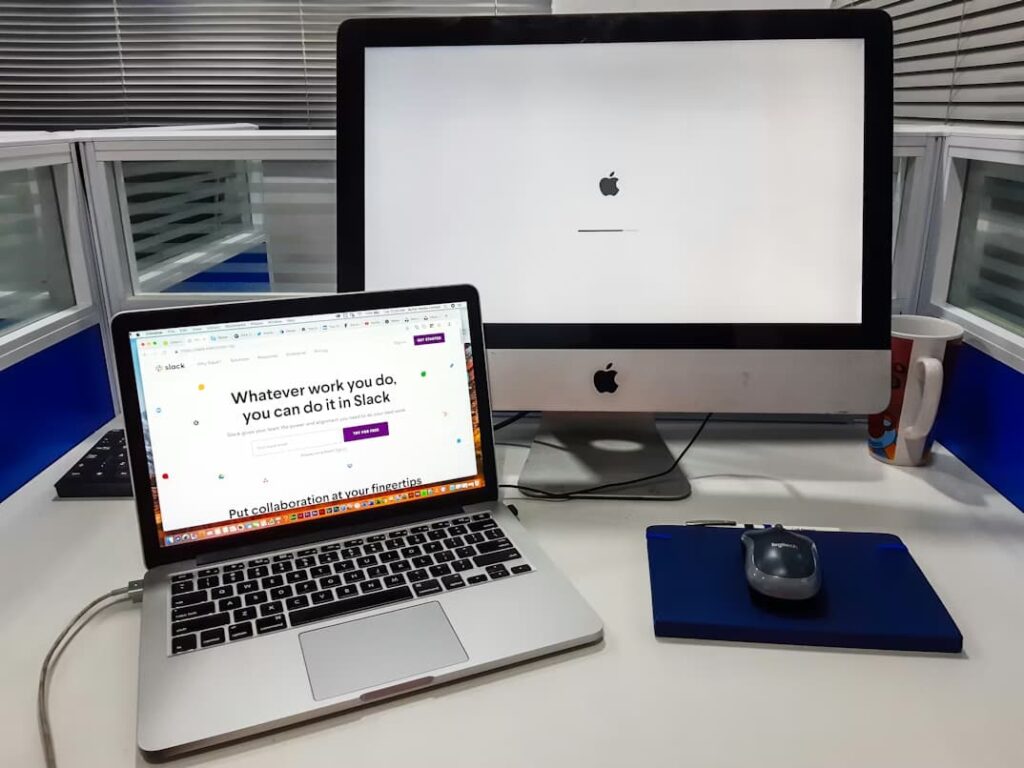
Although Slack, Asana, and Twist serve different purposes, they share key qualities that make delayed interaction work well across time zones. They reduce urgency without decreasing accountability. Work continues uninterrupted even when a team member is offline. The progress continues through documentation and clarity.
Key shared strengths include:
- Persistent context that teammates can review later
- Clear ownership of tasks or discussions
- Reduced dependency on meetings and separate chats
- Communication that favors completeness over speed
- Easy onboarding for teammates joining mid-conversation
These qualities shift collaboration from reactive to intentional.
Conclusion
For teams working across time zones, delayed-interaction apps are essential. The three we have discussed in this post are a great choice to start, as each offers effective ways to keep work moving without relying on real-time availability.
By supporting thoughtful communication and flexible response timing, these tools enable global teams to stay productive without sacrificing focus or personal schedules.